Traversing Cultural Landscapes: Refugee and Immigrant Experiences in Boise
A Collaborative Advocacy Project
Among the flurry of executive orders President Trump signed in his first week in office, those with refugee status already cleared to come to the United States suddenly found their arrival in the United States cancelled. Since 1975, Idaho has welcomed tens of thousands of refugees, many of whom have come to call Boise home. In 2024 alone, Boise welcomed 700 refugees from over 20 countries. Given the fact that refugees go through a rigorous vetting process before they arrive, a process that takes years, it’s worth pausing to think about the hundreds of people that would have come to Boise this past year, who are now stuck and vulnerable to the conditions from which Boise would have been a refuge. During a moment like this, it’s important to pause and listen to the stories of folks who once arrived here as refugees who are now our friends and neighbors, and who enrich our communities in countless ways. This is especially important as the Idaho Legislature is currently debating several newly introduced anti-immigration bills, and mischaracterizing Boise’s longstanding refugee resettlement programs as “demographic replacement.” As always, for those works published by the Writing for Change Journal, dignity and respect for all people is our constant. The articles assembled here cut through the bad faith rhetoric that demonizes refugees and immigrants, and invite us to listen.
A Collaborative Advocacy Project
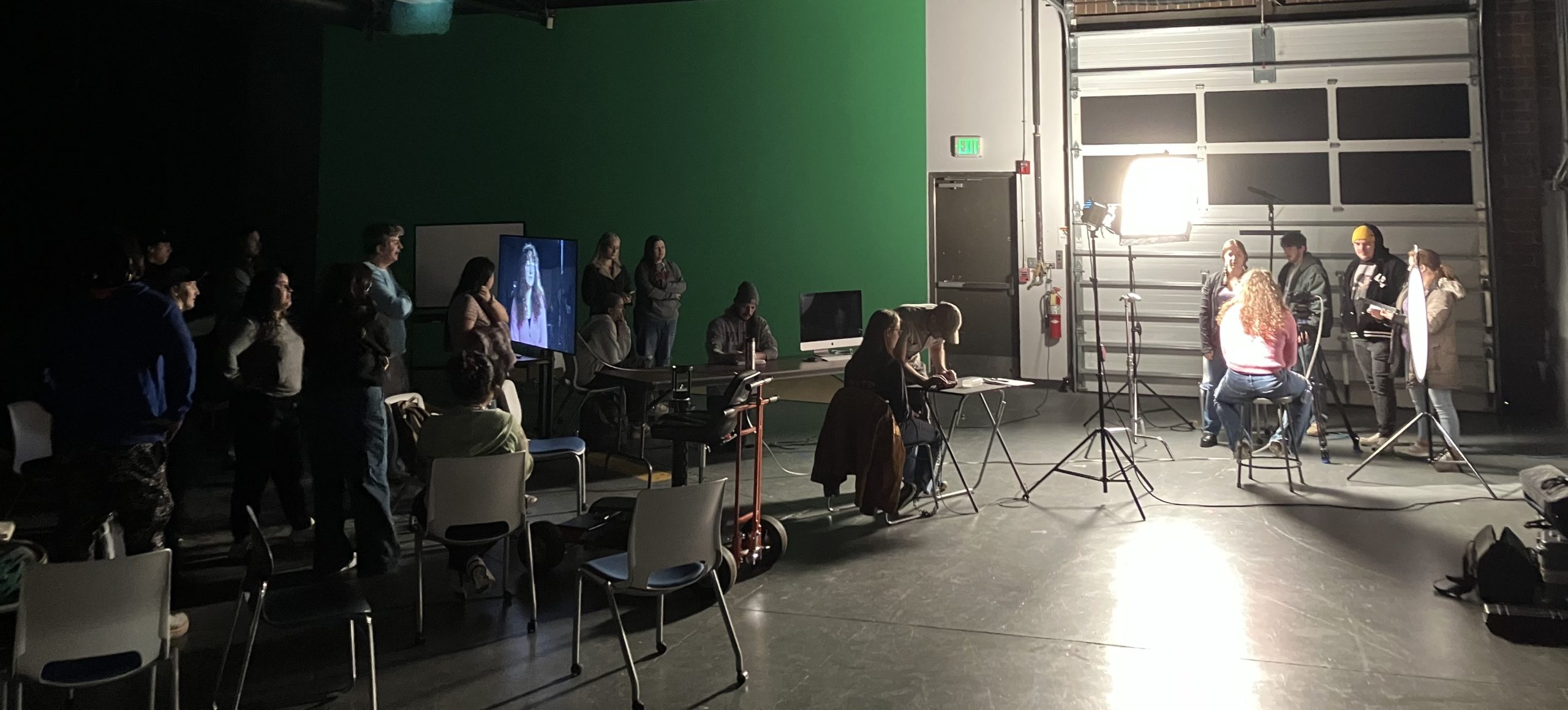
During the spring semester of 2024, three professors across campus at Boise State University joined forces to create a unique experience for students. “Traversing Landscapes: Francophone Stories from Boise” combined student writers from Kyle Boggs’s course, “Writing, Advocacy, and Leadership,” student filmmakers in Rulon Wood’s “Intermediate Film Production” course, and student French translators in Brittney Gehrig’s course on “Careers and Community.” Students worked in teams to interview a range of French speaking community members. For reasons that are situated and nuanced, most–but not all–of these interviewees identify as refugees. Having gone through the lengthy legal process of arriving to our community from countries like the Democratic Republic of the Congo, the Republic of the Congo, Rwanda, and elsewhere, and have overcome insurmountable challenges to be here. Our work delves into those challenges, as well as those that persist long after the legal process of resettlement concludes. This collection is made up of the advocacy articles produced in Kyle Boggs’s class, essays created collaboratively that combine research, translated interview material, and storytelling designed to deepen our understanding–and to double down on the values that initiated resettlement programs in Idaho 50 years ago.
Editorial note: Thanks to editorial intern, Ava Mckendry, for going through these articles and helping to prepare them for publication.
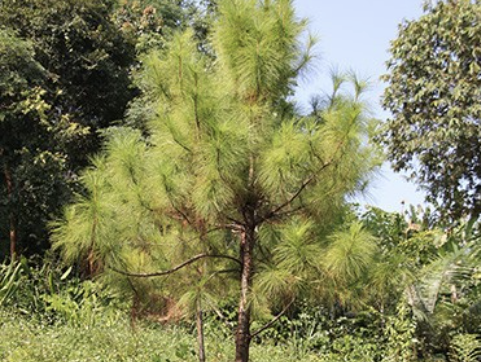
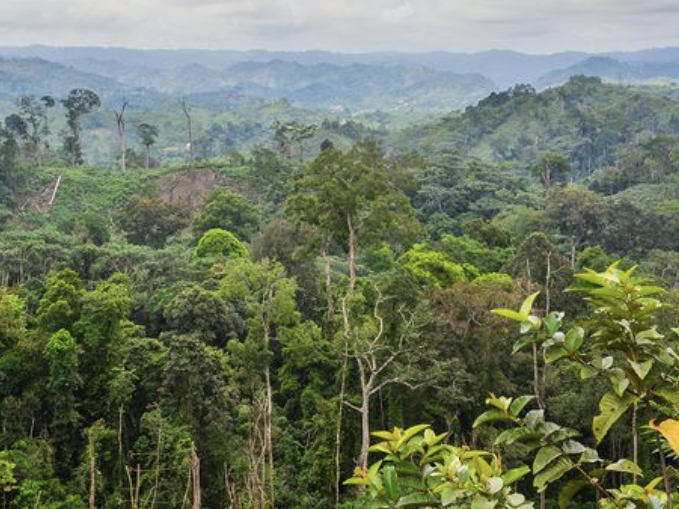
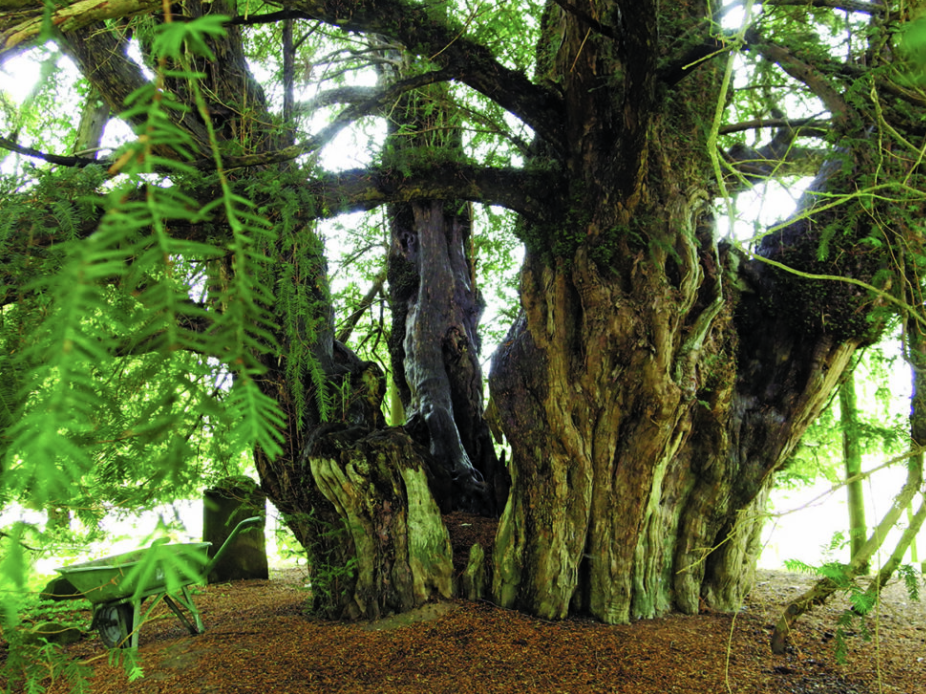
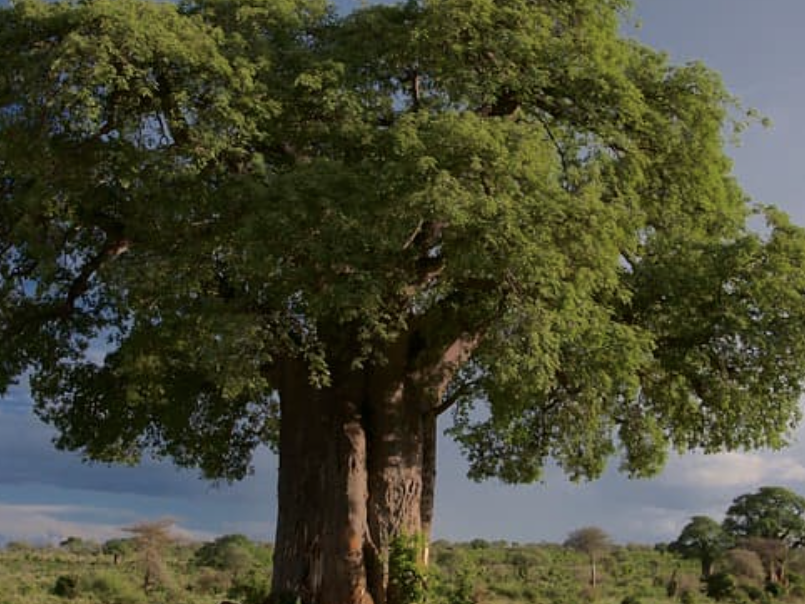
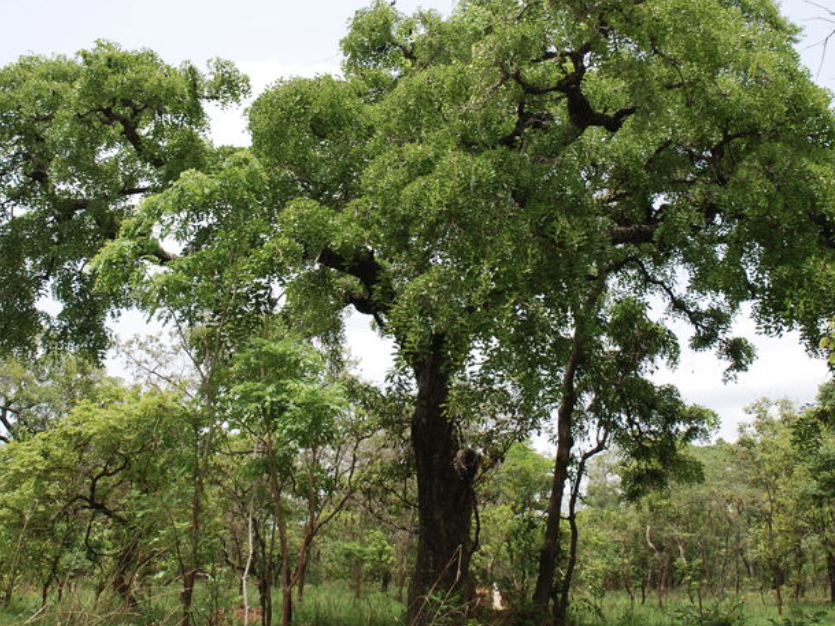
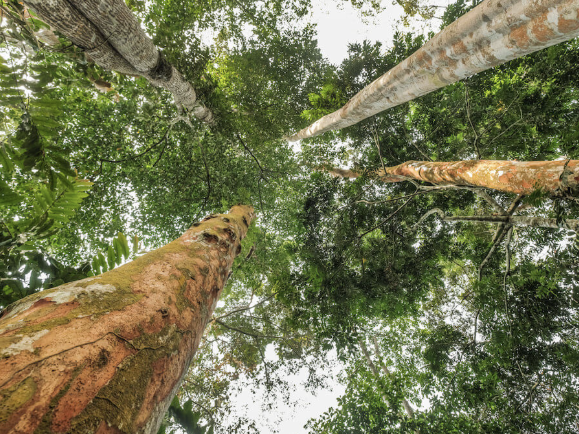
For the safety of those refugees and immigrants interviewed in these essays, we shortened their names to the first initial of their first names, and removed other identifying information. Each article is accompanied by an image of a unique trees that grows in the subject’s home country, symbolizing the roots they maintain to the land they call home.